
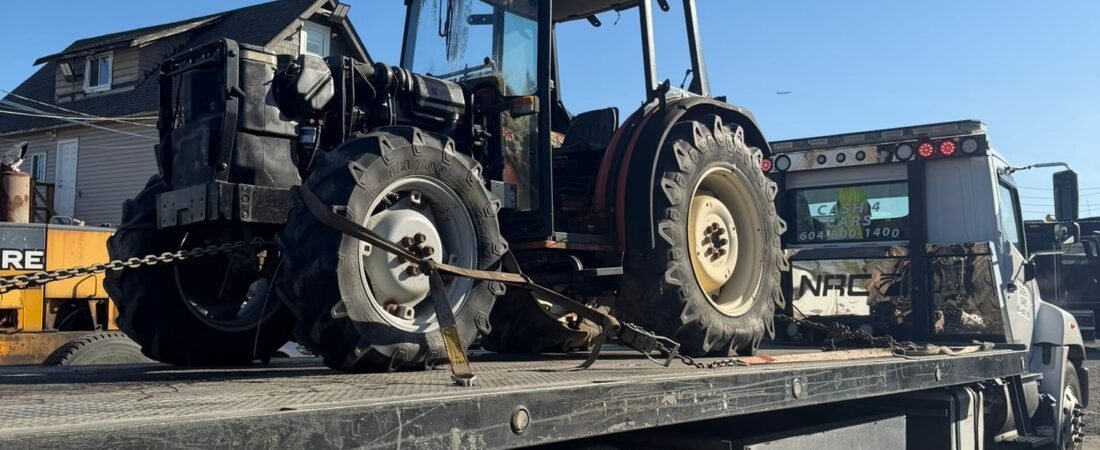
Preparing to part with an old vehicle in the South Delta area requires more than just a quick phone call. While the process of clearing a driveway or farm field is designed to be straightforward, providing a clear visual representation of the asset ensures that the inquiry process remains efficient. When local residents look to transition an unwanted car, truck, or piece of farm equipment into liquidity, the quality of the information provided during the initial contact sets the stage for the entire transaction. Understanding What to Photograph Before a Ladner Scrap Car Inquiry allows sellers to present their vehicle accurately, facilitating a smoother transition from a stationary eyesore to a completed pickup. Call 236-242-3309 to discuss your vehicle.
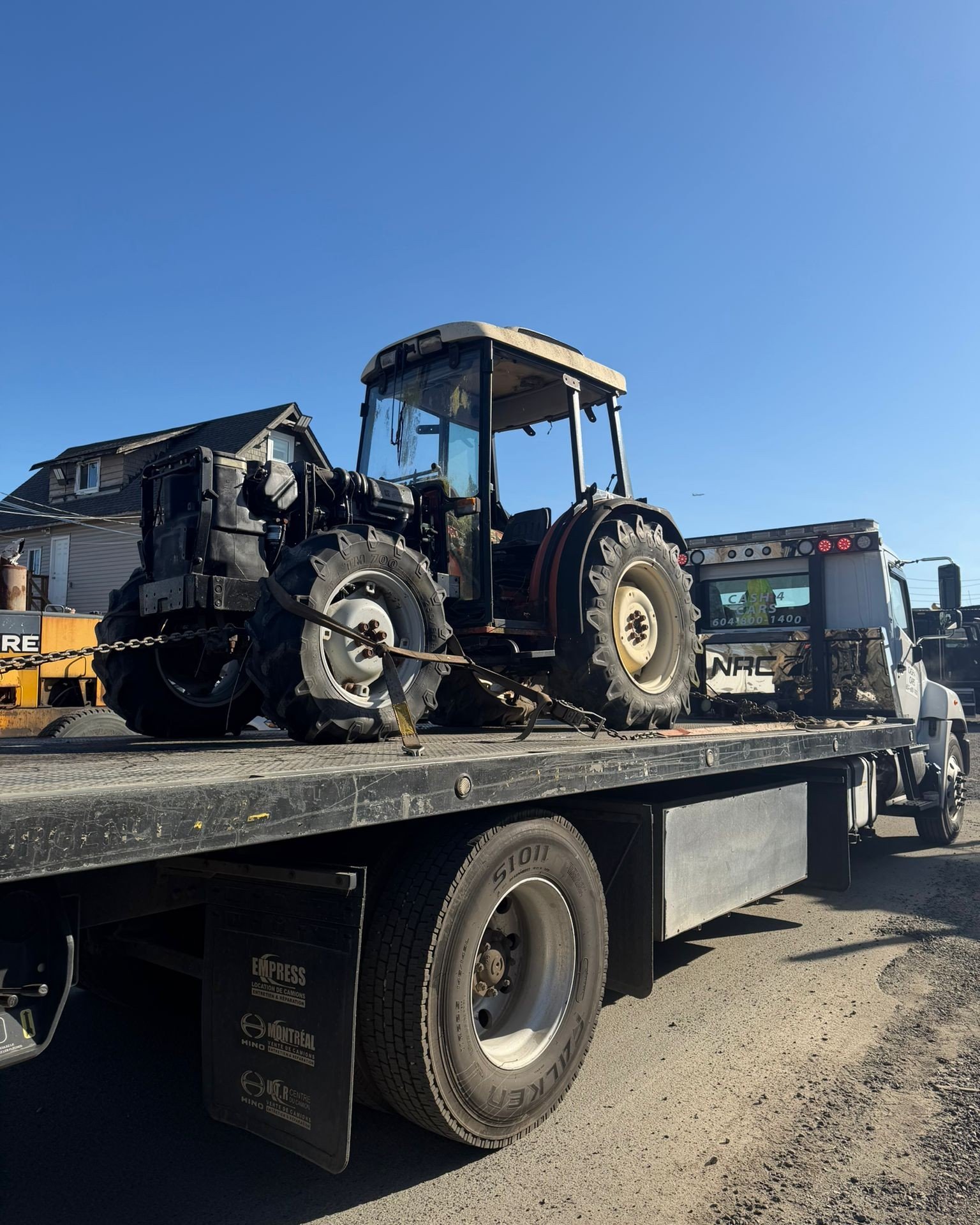
The local landscape in Ladner and Tsawwassen is unique, featuring a mix of residential village lots and expansive agricultural land. Whether a vehicle is tucked away near Ladner Trunk Road or sitting beside a barn off Arthur Drive, the logistics of removal depend on the physical state and location of the unit. By documenting the vehicle’s current condition through clear photography, sellers help the team at Ladner Scrap Car Removal (236-242-3309) understand exactly what kind of equipment is needed. This preparation is not about making the vehicle look better; rather, it is about providing an honest view of the steel that is ready for recycling.
Why Photos Matter for a Scrap Car Inquiry
In the world of vehicle recycling, information is the primary currency of a successful inquiry. When a seller contacts a buyer, the description provided over the phone is the first step, but photos act as the verification that confirms the details. Visual documentation helps to identify specific model variations, the extent of environmental wear, and any potential obstacles that might affect the loading process. For instance, a car that has been sitting in a field for several winters may have sunk into the soft Ladner soil, or a truck involved in a collision might have structural damage that requires a specific type of winch or flatbed. By providing photos upfront, sellers ensure that there are no surprises when the driver arrives at the property.
Furthermore, clear imagery helps to establish a baseline for the vehicle’s value based on its weight and material composition. Heavier vehicles, such as full-sized pickups or pieces of farm machinery, often have different recycling profiles than compact sedans. Capturing the scale and bulk of the item through photography allows the buyer to assess the logistical requirements accurately. It is important to remember that The business buys unwanted vehicles or equipment and does not sell used parts. This focus on the complete unit means that the overall integrity of the vehicle is what matters most. Providing a complete visual record helps the buyer confirm that the unit is a fit for their recycling operations in Delta.
The Essential Angles: Capturing the Full View
When starting the photography process, the goal should be to provide a 360-degree view of the vehicle. This does not require professional equipment; a standard smartphone camera is more than sufficient. Sellers should aim to take photos during daylight hours to ensure that details are not lost in shadows. Starting from the front and moving clockwise around the vehicle is a reliable method to ensure no side is missed. These wide-angle shots are crucial because they show the vehicle in its entirety, allowing the buyer to see the overall posture of the car and how it sits on its suspension.
In Ladner’s coastal environment, vehicles are often subject to salt air and high humidity, which can lead to significant surface oxidation or structural rust. Wide shots help to show the extent of this environmental impact across the body panels. If the vehicle is parked in a confined space, such as a narrow alleyway in Ladner Village, sellers should do their best to capture as much of each side as possible. The key is to show the buyer the context of where the vehicle is located, which helps in planning the approach for the recovery truck.
Exterior and Body Condition
Focusing on the body panels is the next step in a thorough visual inquiry. Sellers should look for and document any significant dents, creases, or areas where the metal has been compromised. While a scrap vehicle is expected to have some wear and tear, knowing the difference between minor surface rust and major structural rot is beneficial. Photos of the hood, roof, and trunk lid are also important, as these large flat surfaces often hold clues about the vehicle’s history. If the vehicle has been involved in an accident, capturing the specific point of impact is essential for the buyer to understand how the frame might be affected.
Tire and Wheel Clarity
The condition of the wheels and tires is a critical logistical detail for any scrap car removal. Even if the tires are flat or the wheels are damaged, the buyer needs to know if the vehicle can still be rolled or if it will need to be dragged or winched onto the truck. Sellers should take close-up photos of all four wheels. If the vehicle is missing wheels entirely, this must be clearly documented, as it changes the type of equipment required for the pickup. In the agricultural areas of Delta, it is not uncommon for older trailers or farm equipment to have specialized wheel configurations; documenting these ensures that the Ladner Scrap Car Removal (236-242-3309) team brings the right tools to handle the job safely and efficiently.
Documenting Damage and Missing Components
One of the most important aspects of a scrap car inquiry is being transparent about what is missing from the vehicle. Since the value of a scrap unit is largely tied to its weight and the presence of major mechanical assemblies, sellers should photograph the engine bay and the undercarriage if possible. If the catalytic converter, battery, or radiator has already been removed, these should be clearly shown. Honesty regarding missing parts prevents delays and ensures that the initial price discussion remains accurate. A vehicle that is “complete” is viewed differently than a “shell” that has been stripped of its valuable metals.
Sellers should also document any specialized equipment or modifications. In a farming community like Ladner, trucks often have aftermarket racks, flatbeds, or heavy-duty hitches. These additions contribute to the overall weight and steel content of the unit. Conversely, if a vehicle has been partially dismantled for a project, showing the state of the disassembled engine helps the buyer understand the volume of material they will be transporting. Clear photos of the engine’s presence, even if it is non-functional, are vital for a complete assessment.
Final Preparation and Contact
While the exterior condition is the primary concern for recycling, the interior of the vehicle still holds relevant information. Sellers should take a few photos of the cabin to show the general state of the upholstery. More importantly, if the vehicle still has power, a photo of the odometer reading can be helpful. Even if the engine does not start, the mileage provides a data point for the vehicle’s lifecycle. Additionally, sellers should verify that all personal belongings have been removed from the glove box and under the seats. Residents of Ladner and Tsawwassen can rely on a local process that respects their time. Documenting the vehicle thoroughly ensures a streamlined experience.
Once photos are taken, organize them for sharing. Inquiries are handled quickly if the seller has the year, make, model, and these visual aids ready. A photo of the vehicle’s identification number (VIN) is also helpful for paperwork. You can contact Ladner Scrap Car Removal (236-242-3309) to discuss your vehicle and schedule a pickup. With photos in hand, you provide a detailed description that ensures the team arrives with the correct equipment for your needs.