
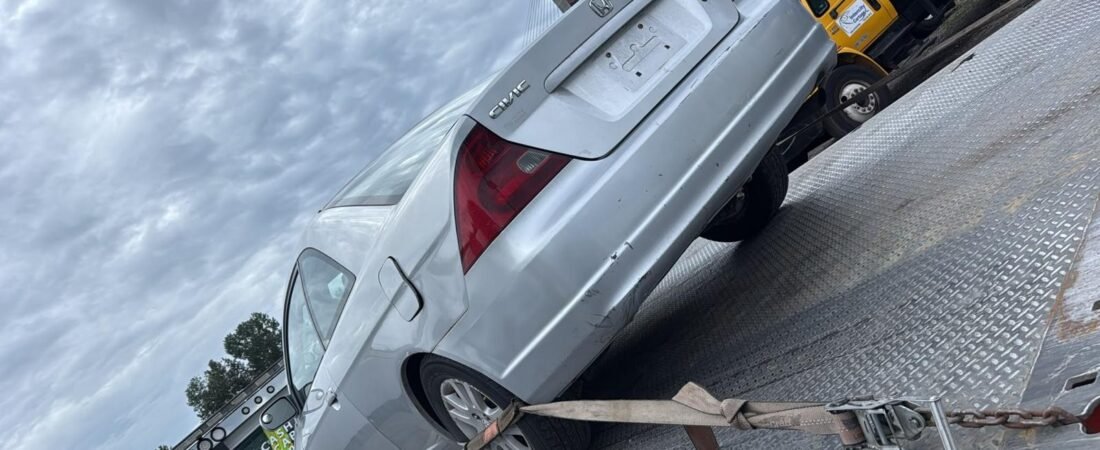
When a vehicle fails to start on a damp morning in Delta, the initial reaction is often one of frustration. For many residents, a car that has been sitting idle for months eventually reaches a point where the battery is no longer capable of holding a charge. Whether the vehicle is parked in a residential driveway near Ladner Village or tucked away in a barn off Arthur Drive, describing the situation accurately to a buyer is the first step toward a successful removal. Understanding how to communicate the status of a dead battery is essential when dealing with professional buyers like Ladner Scrap Car Removal, as it helps the recovery team prepare the necessary equipment for the job. Call 236-242-3309 to discuss your vehicle.
Identifying a Dead Battery vs. Mechanical Failure
Before requesting a quote, it is helpful to determine if the vehicle’s inability to start is strictly due to a dead battery or if there are underlying mechanical issues. A simple dead battery often manifests as a rapid clicking sound when the key is turned, or perhaps a complete lack of response from the dashboard lights. In some cases, the battery may have enough residual energy to power the dome lights or the radio, but not enough cold cranking amps to turn the engine over. This distinction is important because a vehicle that only needs a jump-start is handled differently than one with a seized motor or a failed transmission.
In the context of unwanted vehicle disposal, a dead battery is a common occurrence. Vehicles that have been exposed to the coastal air of Ladner for extended periods often suffer from terminal corrosion or internal cell failure. If you have attempted to jump-start the vehicle without success, it is worth mentioning this to the buyer. It indicates that the electrical system may have a deeper fault, such as a parasitic draw or a faulty alternator, which has completely drained the battery’s life. Providing these details ensures that the team at Ladner Scrap Car Removal understands the physical state of the unit before they arrive at your property.
Why Accuracy Matters for Ladner Scrap Car Removal
Accuracy in your description directly impacts the logistics of the vehicle recovery. When you contact Ladner Scrap Car Removal at 236-242-3309, providing a clear picture of the vehicle’s condition allows for a more efficient process. If a battery is dead, the vehicle cannot be driven onto a trailer, which means it will likely need to be winched. Winching a vehicle requires specific positioning and clearance, especially if the car is parked in a tight spot or on soft ground. By stating clearly that the battery is dead and the vehicle is non-running, you help the driver plan the approach, ensuring they bring a truck equipped with a functional winch and the necessary recovery gear.
Furthermore, being honest about the battery status helps the buyer understand the overall neglect of the vehicle. A car that hasn’t started in years likely has other issues, such as flat-spotted tires or seized brake calipers. These factors are all relevant to the removal process. While the primary focus of the business is the acquisition of unwanted vehicles and equipment, the physical labor involved in moving a “dead” car is higher than moving one that can move under its own power. Providing a truthful assessment helps manage expectations for everyone involved in the transaction.
Checking for Parasitic Draws and Electrical Gremlins
Sometimes, a battery isn’t just old; it’s being actively drained by the vehicle itself. This is known as a parasitic draw. In older vehicles or those that have suffered water damage, a possibility in the low-lying areas of Delta, electrical shorts can occur. If you noticed that the battery died shortly after the vehicle was last driven, or if you replaced the battery only for it to fail again within days, you are likely dealing with an electrical gremlin. Describing these symptoms can be helpful, even if the vehicle is destined for recycling. It provides a more complete history of the mechanical decline of the asset.
It is also worth checking if the battery is physically present. In some scrap scenarios, owners might have removed the battery to use in another vehicle or to sell separately. If the battery tray is empty, this should be communicated clearly. A missing battery changes the weight of the vehicle slightly and confirms that there is zero chance of the vehicle being powered up during the loading process. This transparency is appreciated by professional buyers who value clear communication over surprises at the curb.
Communicating Access and Towing Logistics in Delta
The geography of Ladner and the surrounding Delta area presents unique challenges for vehicle removal. From the narrow streets of the historic village to the agricultural lands, the location of your vehicle is just as important as its mechanical state. If your car has a dead battery and is parked in an underground parking garage with low clearance, a standard flatbed might not be able to reach it. Similarly, if the vehicle is stuck in a muddy field after a heavy rain, the recovery process becomes more complex. When you call Ladner Scrap Car Removal, be sure to describe the terrain and the proximity to the nearest paved road, such as Ladner Trunk Road.
Access is the key to a smooth pickup. If the vehicle is blocked in by other cars, or if the wheels are turned at an awkward angle and cannot be straightened because the steering lock is engaged, the driver needs to know. Mentioning these logistical hurdles alongside the battery status ensures that the right tools are brought to the site. This level of detail prevents delays and ensures that the vehicle can be cleared from your property without unnecessary complications.
Navigating the Removal Process for Non-Runners
Once you have provided a description and the removal is scheduled, there are a few final steps to take. Ensure that all personal belongings have been removed from the interior. When a battery is dead, power locks and power trunks may not function, so you might need to use a manual key or a jump pack to access certain areas of the car. It is also important to reiterate that Ladner Scrap Car Removal is a buyer of unwanted vehicles and does not sell used parts. The business is focused on the acquisition and recycling of whole units, so the expectation is that the vehicle is relatively complete, even if it is non-functional.
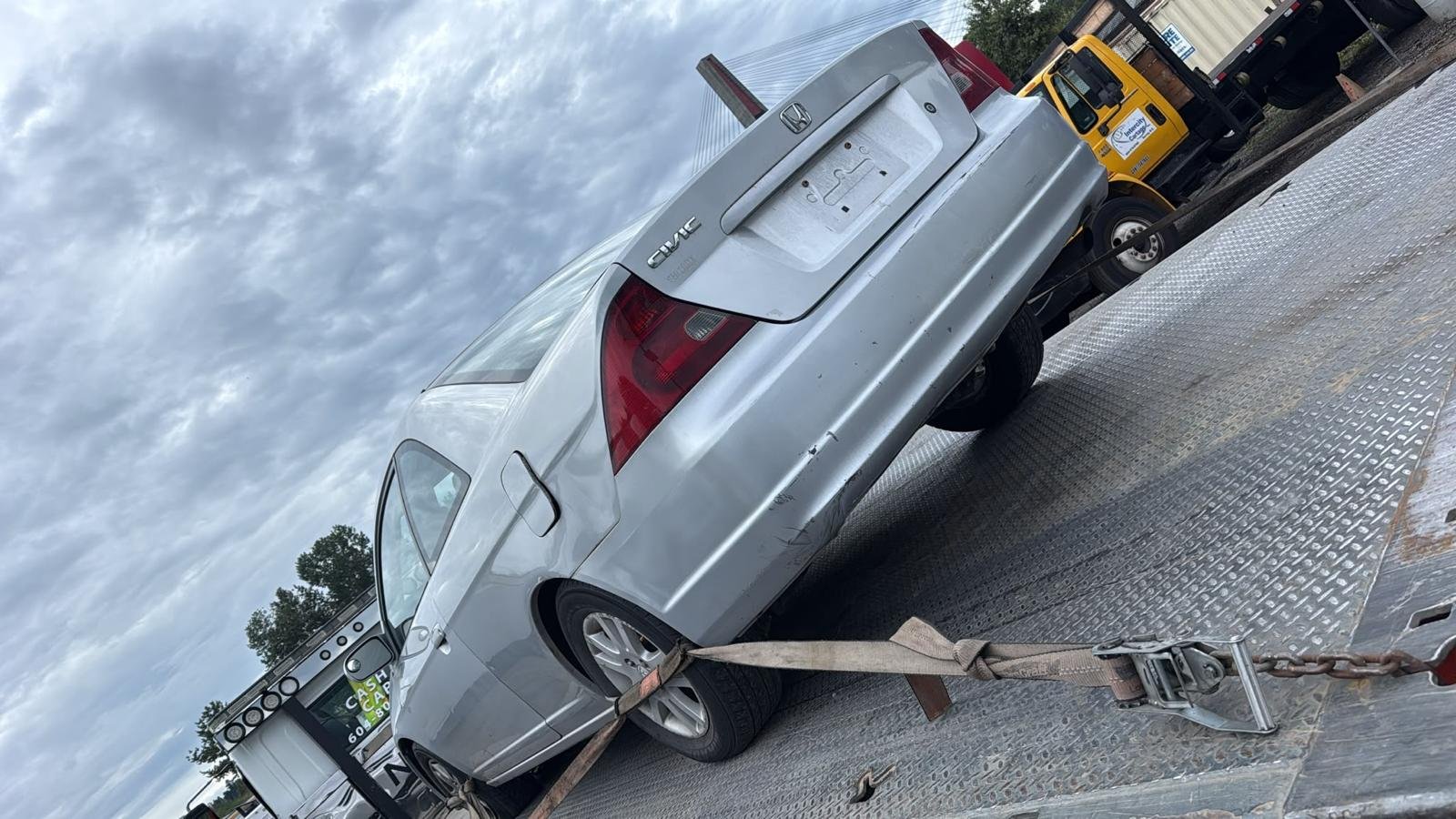
The removal process for a non-runner is a coordinated effort. The driver will arrive, inspect the vehicle to ensure it matches the description provided, and then begin the loading process. Because the battery is dead, this usually involves winching the vehicle onto the truck. During this time, the paperwork is finalized, and the seller receives their payment. This straightforward approach is why many residents in Ladner and Delta choose to work with local professionals who understand the specific needs of the community. There is no need to frame the transaction as a parts-shopping endeavor; it is a simple sale of an unwanted asset.
Final Steps for Ladner Residents
If you are tired of looking at a vehicle that hasn’t started in years, taking action is the only way to resolve the problem. Whether it’s a car, a truck, an SUV, or even old farm equipment, the value is there, regardless of the battery’s condition. The process of describing a vehicle with a dead battery doesn’t have to be complicated. By focusing on the symptoms, the history of the vehicle, and the logistical challenges of the location, you provide all the information necessary for a professional buyer to step in and handle the rest.
For those living in the Ladner and Delta area, the solution is just a phone call away. You can reach Ladner Scrap Car Removal at 236-242-3309 to discuss your vehicle and arrange for its removal. By being clear about the battery status and the overall condition of the unit, you ensure a smooth transition from an eyesore in your driveway to a completed sale. Reclaim your property today by reaching out to the local experts who specialize in buying unwanted vehicles and equipment right here in Delta.