
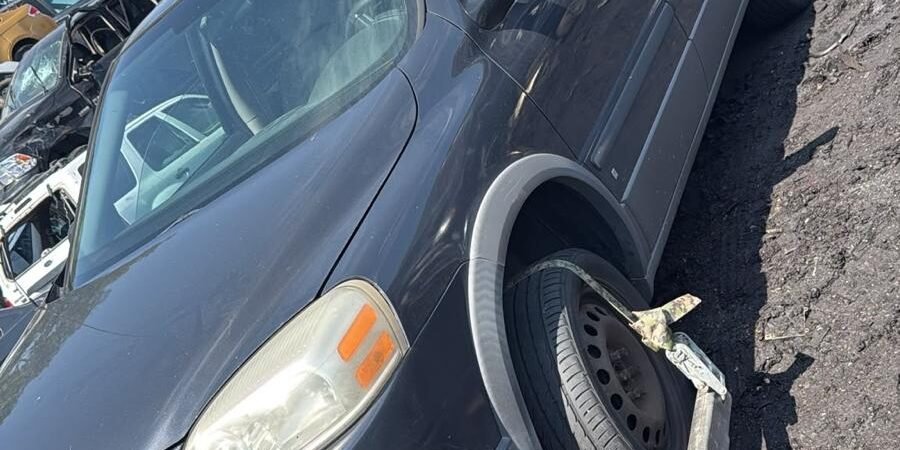
Commercial yards in Ladner and Delta can have a very different removal plan from a residential driveway. A vehicle may be behind a gate, beside loading areas, close to a boulevard, or positioned where a larger recovery vehicle must share space with staff, deliveries, and customers. A clear access briefing helps the seller explain the site accurately without promising a particular outcome before the location and vehicle are reviewed. Call 236-242-3309 to discuss your vehicle.
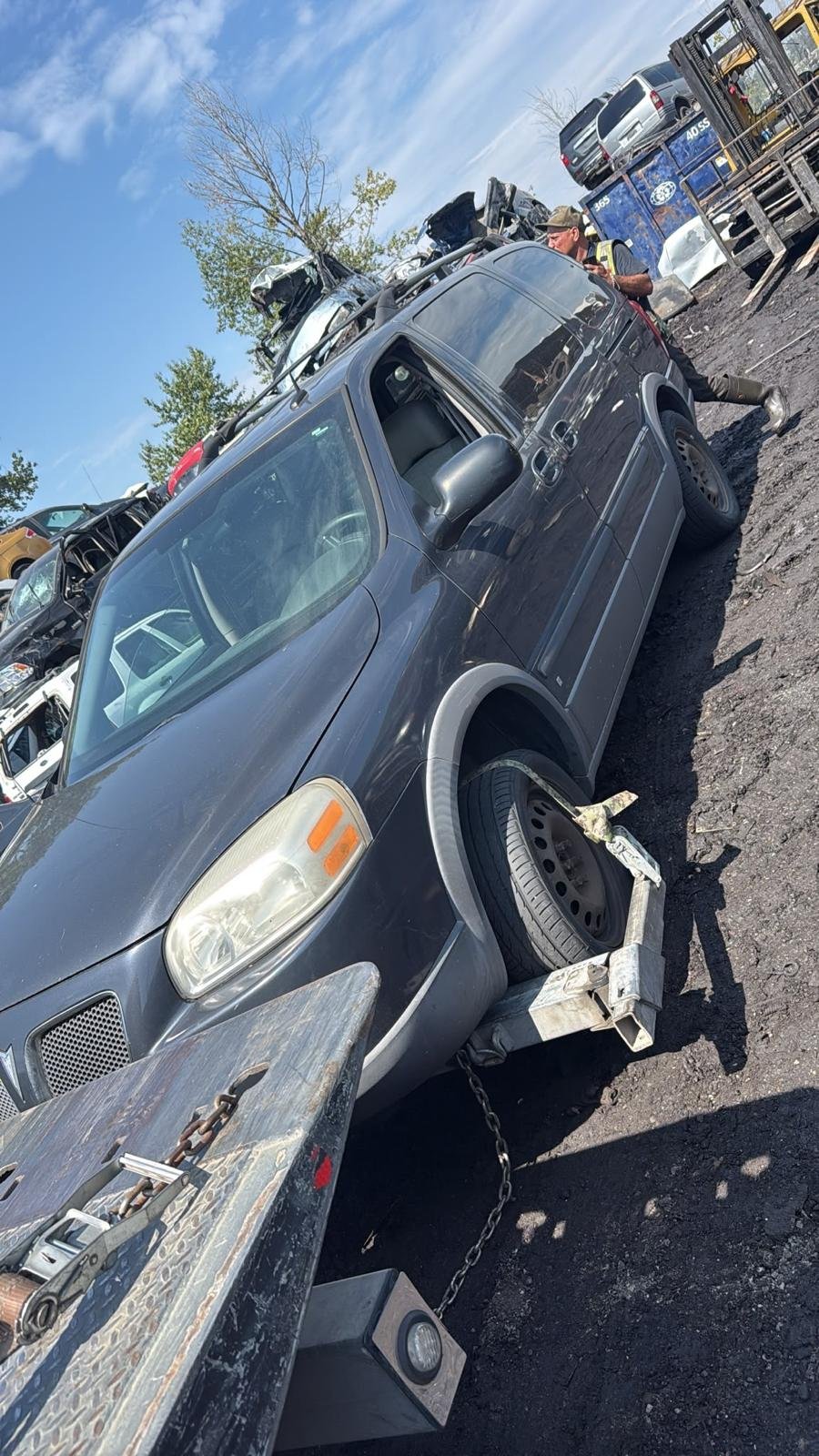
This guide is for business owners, property managers, fleet coordinators, and authorized yard users arranging removal of an unwanted car, van, or light commercial vehicle. The goal is simple: identify the vehicle, describe the yard, separate private-property arrangements from public-road impacts, and give the removal company practical information to assess.
Start with the commercial yard, not just the vehicle
Begin with the property address or the most precise location available within Ladner or Delta. Explain whether the vehicle is in a fenced yard, an enclosed parkade, a service lane, a loading court, or an open lot. Note who can authorize entry and whether a gate, security desk, tenant, landlord, or strata representative must approve access. If the vehicle belongs to a company, keep the person arranging removal connected to the business records and the person who controls the property.
Describe the path from the public road to the vehicle. Useful details include gate width, turning space, overhead clearance, surface type, slope, tight corners, parked equipment, bollards, ramps, and whether another vehicle blocks the most direct approach. State whether the vehicle rolls, steers, starts, or is immobilized. Those facts are not a promise that a particular truck or method will be used; they are practical information for a site-access conversation.
Separate private-yard access from work affecting Delta roads
Delta’s official Highway Use Permit guidance says a HUP is required for work within the road dedication, including driveway construction, boulevard alterations, storage-bin placement on roadways, moving oversized loads, traffic impacts or lane closures, and crane swings over the road dedication. A seller should therefore distinguish a normal entry onto an authorized private yard from any proposal that would place equipment, a load, or a temporary obstruction in the road dedication.
If the planned activity may affect the roadway, review the City of Delta Highway Use Permit information and contact the City’s Engineering Department for current direction. Delta says HUP applications may require items such as a site-specific traffic management plan, a site map, drawings, photographs, a security deposit, WCB certification, and a Delta Business Licence, depending on the permit type. That is municipal application guidance, not a statement that a removal company will obtain a permit or that a permit is required for every private-yard pickup.
Give the removal company the yard owner’s instructions before anyone assumes that a curb, boulevard, lane, or neighboring property can be used. If a gate must remain open for a limited period, if deliveries continue during the day, or if employees need a pedestrian route, say so. The seller can ask what access conditions are workable, while recognizing that the final approach depends on the vehicle, equipment, property authorization, and road conditions.
Use Delta’s truck-route information when the approach involves a heavy vehicle
Delta’s transportation information states that a vehicle with a gross vehicle weight of more than 11,800 kg GVW is required to use Delta’s Truck Route Map. It also says that such a vehicle is only permitted to travel on other non-designated municipal roads for local pick-up or delivery, using the most direct route between a truck route or numbered highway and the points of origin or destination. For a commercial yard, that makes the address and the intended access point important: the street entrance, not only the yard interior, can affect planning.
Review the City of Delta transportation guidance when discussing a heavy approach. Tell the removal company whether the yard is reached from a designated truck route, a numbered highway, or a local street, and identify any gate that forces a particular turn. Do not rely on a consumer map alone to decide a commercial route. Delta’s page also directs readers to current road advisories, construction activities, and DriveBC for road conditions, so a seller should flag known construction, seasonal work, or temporary restrictions rather than assuming yesterday’s access remains unchanged.
The Provincial Permit Centre likewise says commercial trucking applicants should review Commercial Transport Procedures and use the Commercial Vehicle Routing Tool to find known restrictions on the planned route. The province specifically warns that Google Maps is not an accurate source for route information for commercial transport vehicles. Read the Province of British Columbia commercial transport permits guidance if the planned movement could involve a commercial permit, an oversize or overweight load, or other regulated routing question. The seller should provide accurate site facts, not decide that a permit exists or that a route is approved.
Build a concise access briefing for the removal inquiry
A commercial-yard briefing can be a short written note. Include the following:
- Vehicle identity: Record the year, make, model, body type, plate status if known, and whether the vehicle is company-owned, leased, jointly owned, or held by another party. Keep ownership documents available for the seller-side discussion.
- Condition: State whether it starts, rolls, steers, has keys, has flat tires, or has collision damage. Do not describe a vehicle as mobile if its wheels are locked or its position is uncertain.
- Exact position: Identify the bay, row, yard section, or landmark. Say whether the vehicle is inside a building, under a canopy, beside a dock, or behind another asset.
- Entry controls: List gate hours, keypad or escort requirements, security check-in, tenant permissions, and any requirement to call a site contact before arrival.
- Physical constraints: Give measured or carefully estimated gate width, overhead clearance, turning room, surface condition, slope, and distance from the public road. Mention soft ground, drainage channels, stacked materials, and active work zones.
- Road interface: Explain whether a truck would need to stop on the street, cross a boulevard, use a lane, or manage a lane closure. If the answer is unknown, say that it is unknown.
- People and timing constraints: Identify delivery windows, customer traffic, forklift activity, pedestrian routes, and the site contact who can coordinate safe access. Do not request that staff direct traffic unless the responsible parties have confirmed a lawful and safe plan.
Questions that keep the seller conversation accurate
Ask what equipment and access conditions the removal company would need, whether the vehicle must be unlocked or cleared of surrounding items, and what photographs or measurements would help them evaluate the approach. Ask which facts should be confirmed with Delta, the property owner, or a carrier before the appointment is set. A useful question is whether the proposed approach stays entirely on private property or could involve the road dedication.
Do not describe a permit, insurance arrangement, environmental handling process, price, payment method, pickup time, or recycling destination as confirmed unless the responsible party has actually confirmed it. The safest commercial brief is specific about the site and careful about what remains to be assessed.
Arrange a Ladner and Delta removal discussion
Once the yard access note is ready, contact Ladner Scrap Car Removal with the vehicle location, condition, ownership context, and road-access facts. A seller can say, “The car is behind a gated commercial yard in Ladner; the gate is open only during business hours, and the approach may involve a local street,” then add the details that matter. For an access-focused conversation, call 236-242-3309. We do not sell used parts.
Clear information does not replace municipal or provincial direction. It gives the people involved a more reliable starting point for discussing authorization, routing, equipment suitability, and any next steps for a commercial property in Ladner or elsewhere in Delta.
Sources: City of Delta Highway Use Permit; City of Delta Transportation; Province of British Columbia Commercial Vehicle Permits.