Ladner Scrap Car Recycling Process: Fluid Handling and Material Recovery After Pickup
When an unwanted vehicle leaves a Ladner driveway, yard, or commercial property, a careful Ladner scrap car recycling process considers what it contains, the information for pickup, and questions an owner can ask. Fluids, batteries, tires, and metal need different handling. Knowing that helps a seller make an informed removal decision without assuming how a business or receiving location operates. Call 236-242-3309 to discuss your vehicle.
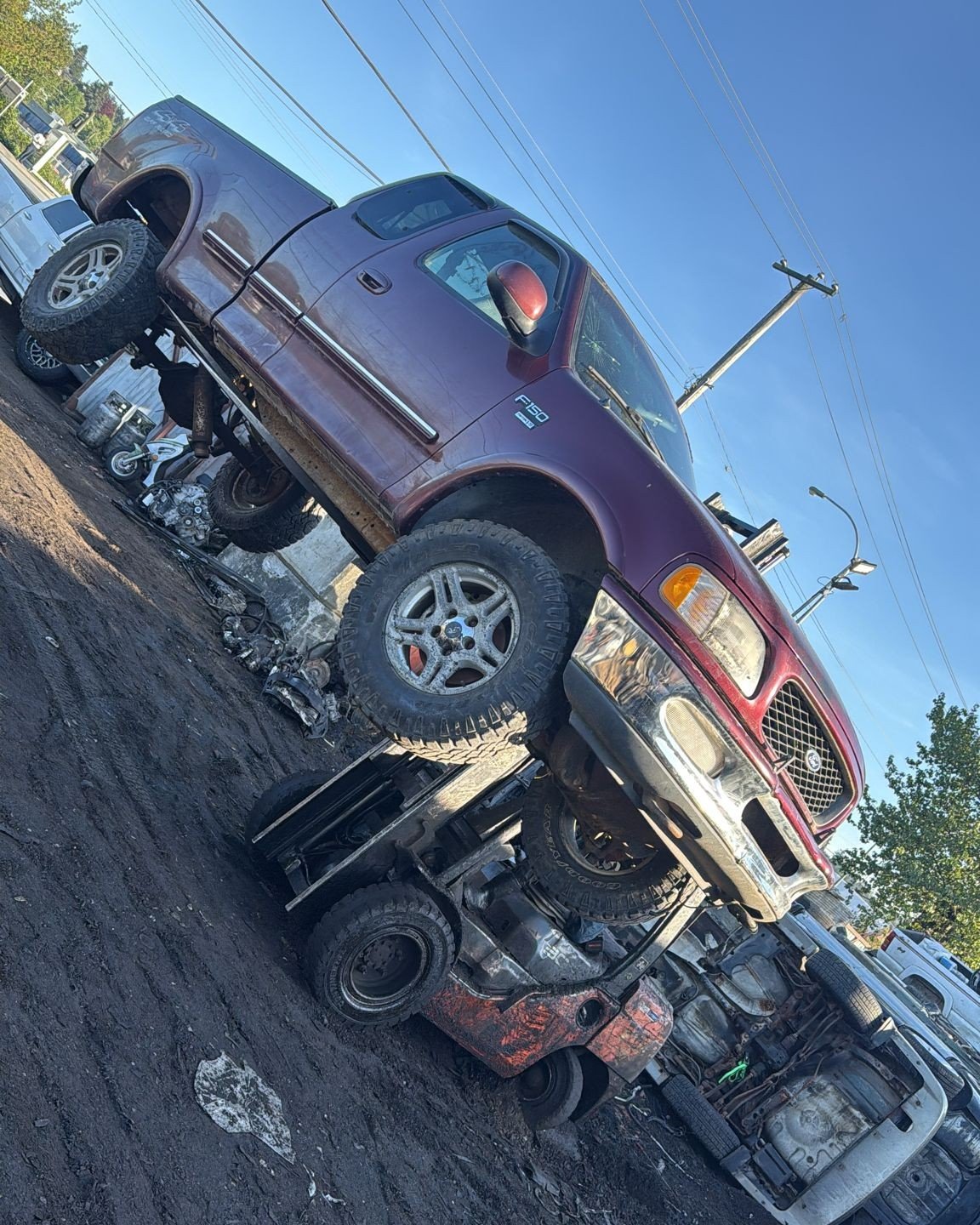
This is especially useful for Delta businesses retiring a work car, light truck, or small group of vehicles. Commercial owners may balance yard space, vehicle condition, and internal records. The practical goal is straightforward: arrange removal as a sale or service transaction, describe known conditions accurately, and confirm pickup scope. Owners need not diagnose vehicles or perform fluid work beforehand.
Why fluids deserve attention after a vehicle leaves
Oil, coolant, fuel, brake fluid, transmission fluid, and windshield-washer fluid have different properties and may be present even when a vehicle has not run for a long time. A non-running car is not necessarily empty. Leaks, corrosion, a damaged fuel system, or an uncertain service history can change the questions a pickup provider needs answered. The useful seller-side action is to mention what is known, not to try to drain or transfer anything yourself.
British Columbia’s hazardous-waste rules show why containment and transfer are meaningful questions. For a facility managing liquid hazardous waste, the regulation refers to dripless hose connections or equivalent containment during transfer and to equipment compatibility. Those requirements apply to the relevant facility owner; they are not instructions for a vehicle owner. For a seller, they provide a sound reason to ask a removal provider how known fluids or an active leak should be disclosed and whether any special pickup information is needed.
If the car has a visible puddle, smell of fuel, damaged underbody, missing cap, or a battery that has cracked or swollen, say so when requesting service. Keep people away from the area if there is an immediate concern and follow appropriate safety guidance. Do not add absorbents, open lines, or remove containers merely to make a vehicle easier to collect unless a qualified party has instructed you to do so. The pickup conversation should describe the situation as it is, rather than promise that the vehicle is dry, safe to move, or ready for a particular recycling method.
Local context for oil, batteries, and tires
Delta has established recycling information that helps owners see why vehicle materials are treated as separate streams. In its recyclable-items guide, the City of Delta states: “Take back these items for free to the following recycling depots in Delta.” The same guide lists automotive batteries, antifreeze and containers, and “Used motor oil, filters, & containers”. These are useful local reference points for an owner considering an individual item already removed from a vehicle; they do not establish what a commercial load, pickup company, or downstream receiver will accept.
For a second local reference, the City of Vancouver’s landfill page identifies the site’s accepted materials and states: “Used oil (maximum 15 L), oil filters (maximum 3), and empty oil containers.” That page also says that recycling drop-off at the landfill is for residential customers only. A Ladner or Delta business should therefore not treat a residential drop-off listing as authorization for fleet materials. Instead, it can use the listing as a prompt to confirm the appropriate commercial route with the relevant operator or stewardship program.
Tires have their own provincial collection framework. Tire Stewardship BC says: “There are hundreds of Return to Retailer (R2R) locations to recycle your tires in BC.” Its consumer guidance describes conditions for a small number of clean, off-rim tires and recommends calling ahead. That is helpful context, but it is not a promise that tires remaining on a picked-up vehicle, commercial quantities, or unusual tire types will be handled in the same way. Ask what applies to the vehicle you are selling.
Material recovery is a sequence of decisions, not a blanket claim
After pickup, a vehicle may contain metal, glass, rubber, lead-acid battery material, fluids, and other items that require different decisions. The sensible phrase is material recovery, not a guarantee that every material will follow one path or achieve a specific percentage. Conditions at the receiving point, the vehicle’s state, applicable requirements, and the capability of the organizations involved can affect the next step.
For that reason, do not assume that a removal business operates a particular facility, processes every vehicle in-house, drains every fluid itself, or sends every component to a named destination. Those are facts to verify, not marketing shortcuts. A professional seller can focus on the transaction: identify the vehicle, accurately state its condition, confirm who is collecting it, and ask what documentation or contact point will be available if a question arises after collection.
The distinction also protects commercial owners. A vehicle retired from a landscaping business, delivery operation, contractor yard, or property-management portfolio may have company markings, equipment records, or fluid-condition notes that should be retained internally. Those records help a business describe the asset consistently and keep its sale or removal file complete. They do not require the owner to make a technical determination about disposal or recovery.
Questions to ask before confirming pickup
A clear conversation is more useful than broad environmental claims. These questions keep the discussion focused on what an owner can know and what the service can confirm:
- Can you note that the vehicle has a known leak, an unknown fluid condition, or a damaged battery before pickup?
- What vehicle details do you need to assess collection, such as whether it rolls, its approximate location, and whether it is a car or light truck?
- Can you confirm the pickup scope in writing, including the vehicle identification and the party collecting it?
- For a commercial owner, what business contact, asset reference, or authorization should be available at collection?
- If tires, a battery, or loose vehicle materials are a concern, which questions should be directed to the collection provider and which to the applicable local or provincial program?
- What record should the seller retain after the vehicle has been collected?
These are questions, not assumptions about pickup times, payment, facilities, or recycling outcomes. They allow a seller to compare answers and select a service arrangement that matches the vehicle’s actual condition. If the situation changes before collection, for example, a new leak appears or access becomes more difficult, update the provider rather than relying on an earlier description.
A practical file for Ladner and Delta commercial owners
For one vehicle or several, keep a simple internal file: the make, model, year, vehicle identification number where available, the pickup contact, the date of collection, and any known condition note such as “fluid leak reported” or “battery condition unknown.” Retain the collection confirmation with your business records. This is not a substitute for legal, insurance, or environmental advice, and it does not determine the downstream process. It is a clean record of the sale or service decision your organization made.
Before pickup, remove personal property and business documents from the cabin, cargo area, visor, and storage compartments. Do not remove or handle materials that create a safety concern. If a vehicle is on a customer-facing lot or shared property, make sure the person authorizing removal has the necessary property and vehicle information ready. The result is a more accurate handoff without speculating about what will happen at a specific facility later.
Arrange a clear seller-side pickup conversation
Ladner Scrap Car Removal can discuss an unwanted vehicle’s location and known condition so you can decide whether to proceed with pickup. Tell us if you are a business owner, whether the vehicle has an apparent leak or battery issue, and what access information is relevant. We can keep the conversation centered on collection and the information you need to provide, rather than unsupported promises about downstream handling. We do not sell used parts.
For a clear, seller-focused discussion about an unwanted vehicle in Ladner or Delta, call 236-242-3309. Bring the basic vehicle and access details you know, describe any fluid or material concern honestly, and ask for the confirmation that fits your records.
Local references: City of Delta recyclable items guide, City of Vancouver landfill accepted materials, Tire Stewardship BC tire recycling guidance, and BC Hazardous Waste Regulation.